


- 0:37Using Positive Interactions to Improve Dementia Care | #breakthroughscantwaitumbPositive interactions can change dementia care.At the University of Maryland School of Nursing, researchers are using a four-step approach to help assisted living staff change how they interact with residents living with dementia.The goal is to: • Increase positive interactions • Improve resident well-being • Reduce behavioral symptoms • Support caregiver satisfaction and reduce burnoutBreakthroughs can’t wait.At UMB, we’re changing the future today.#breakthroughscantwaitumb #DementiaCare #NursingResearch #CaregiverSupport #AssistedLiving #AgingResearch #UMB
- 1:14What If Better Dementia Care Started With Staff Support? | #BreakthroughsCantWaitUMBWhat if better dementia care started with better support for caregivers? Researchers at the University of Maryland School of Nursing are testing an approach to help assisted living staff communicate more effectively with residents living with dementia.The goal: • More positive interactions • Better experiences for residents • Less burnout for staffBreakthroughs can’t wait. At UMB, we’re changing the future today.#BreakthroughsCantWaitUMB #DementiaCare #AgingResearch #NursingResearch #Caregiving #AssistedLiving #UMB
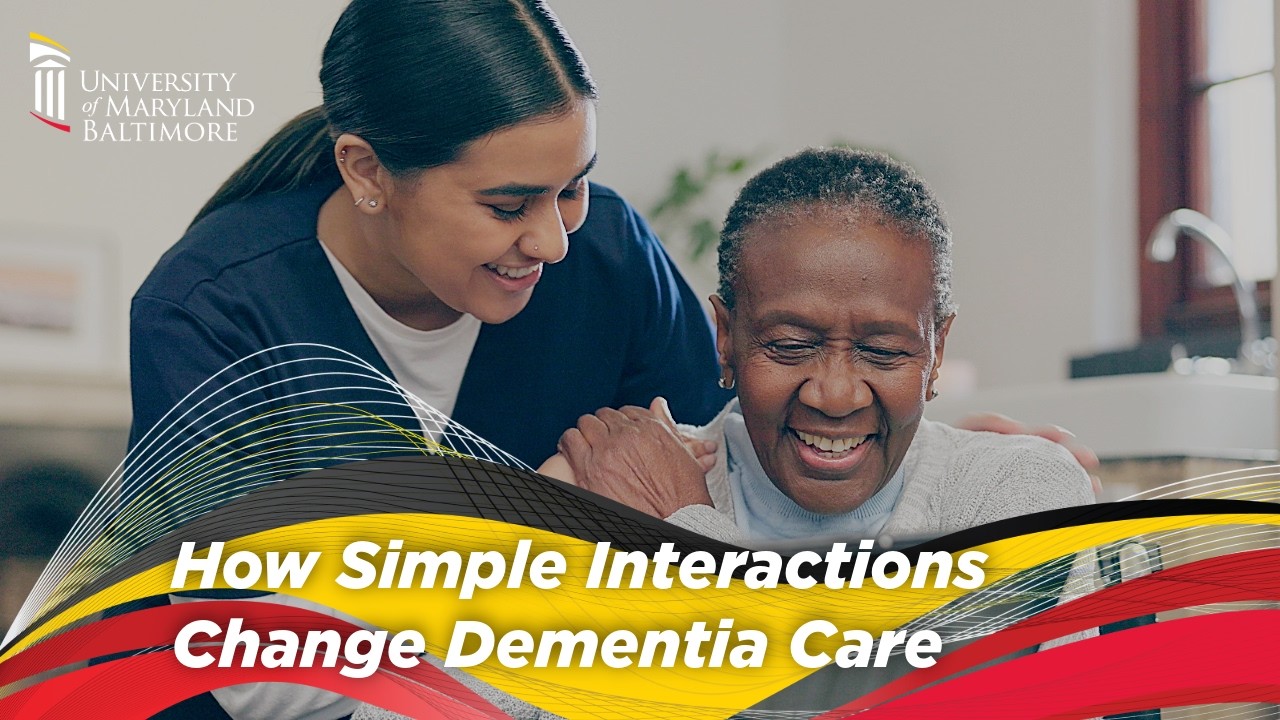
- 4:45How Simple Interactions Can Improve Dementia Care | #BreakthroughsCantWaitUMBFor residents living with dementia in assisted living communities, even small interactions can make a big difference. At the University of Maryland School of Nursing, Rachel McPherson, PhD, MA, assistant professor, is researching how to enhance caregiving approaches to improve experiences for residents and staff alike.To put those ideas into practice, McPherson developed the Fostering Positive Care Interactions in Assisted Living (FPCI-AL) intervention, which helps caregivers build more supportive and meaningful connections into daily care routines.The four-step intervention includes identifying barriers to positive interactions, educating staff about effective communication strategies, tailoring care plans to residents' individual needs and preferences, and providing ongoing coaching and support.Read more Breakthroughs: https://www.umaryland.edu/breakthroughs#DementiaCare #Caregiving #AssistedLiving #Aging #NursingResearch #CaregiverSupport #MemoryCare #HealthResearch #UniversityOfMaryland
- 1:00:23MS Teams Calling Town HallOn May 20, 2026, LaVern Phillips from the University of Maryland, Baltimore Center for Information Technology Services explain the upcoming transition to Microsoft Teams calling at a campus town hall.
- 2:13:102026 Doctoral Hooding Ceremony
- 1:29How 4 Simple Steps Can Improve Dementia Care | Breakthroughs Can't WaitWhat if dementia care focused less on routines — and more on helping people feel purposeful again?At the University of Maryland School of Nursing, Sarah Holmes, PhD, MSW, is helping assisted living communities integrate meaningful activities into everyday dementia care.From music and dance to helping set the table or participating in self-care, these small moments can help residents feel connected, engaged, and more like themselves.Research shows meaningful activity can also help reduce behavioral symptoms and improve quality of life for people living with dementia.Breakthroughs can’t wait. At UMB, we’re changing the future today.#DementiaCare #Alzheimers #AssistedLiving #NursingResearch #HealthcareInnovation #BreakthroughsCantWaitUMB
- 0:44A Better Way to Care for Dementia Patients | Breakthroughs Can't WaitWhat if improving dementia care started with understanding what matters most to each person?Researchers at the University of Maryland School of Nursing are studying how meaningful activities can reduce distress and improve quality of life for residents with dementia in assisted living communities.When care reflects identity — not just diagnosis — everything changes, associate professor Sarah Holmes, PhD, MSW says.#DementiaCare #Alzheimers #HealthcareInnovation #NursingResearch #BreakthroughsCantWaitUMB
- 4:38Improving Daily Life for Assisted-Living Residents with Dementia | Breakthroughs Can't WaitHow can assisted living communities improve dementia care and reduce agitation in residents with Alzheimer’s disease and related dementias?At the University of Maryland School of Nursing, Sarah Holmes, PhD, MSW, is researching how meaningful, personalized activities can improve quality of life for people living with dementia while helping reduce aggression, agitation, and distressing behavioral symptoms.Many residents with dementia spend large portions of the day disengaged because activity programming often isn’t tailored to their interests, abilities, or personal history. Holmes says that boredom and lack of engagement can increase behavioral symptoms and create additional stress for caregivers and staff.To address this challenge, Holmes and her research team — including Barbara Resnick, PhD, RN, CRNP, FAAN, FAANP, and Elizabeth “Beth” Galik, PhD, CRNP, FAAN, FAANP — developed “Meaningful Activities for Assisted Living,” an evidence-based dementia care approach designed to create more personalized engagement throughout the day.The four-step model helps assisted living communities: • Identify resident interests and preferences • Train staff on meaningful engagement strategies • Improve care environments and routines • Reduce challenging dementia-related behaviors through personalized careWatch how researchers are working to improve dementia care, Alzheimer’s support, caregiver experiences, and quality of life in assisted living communities.#DementiaCare #Alzheimers #AssistedLiving #Aging #Caregiving #HealthcareResearch #NursingResearch #ElderCare #UniversityOfMaryland #BreakthroughsCantWaitUMB
- 0:29The Impact of Evidenced-Based Behavioral Health Research, A Student’s PerspectiveApril Xu shares her experience and exposure to the broad scope of social work as a Research Assistant working with Dr. Jodi Frey and the Behavioral Health and Well-Being Research Center (BHWell). Learn more about BHWell and how you can make an impact. https://www.ssw.umaryland.edu/giving/how-can-donors-impact-the-behavioral-health-and-well-being-research-center-bhwell/
- 57:33UMB 2027-2031 Strategic Plan Town HallOn May 8 2026 the University of Maryland, Baltimore Strategic Plan Committee reported out on the themes that have formed the foundation of the University's next strategic plan. This one-hour town hall discussion included questions from the virtual audience and answers from the panel.